Italian inflation in May 2026 rises to +3.2%, from +2.7% in April, while consumer prices increase by 0.4% in just one month. Istat certifies this with the press release of 16 June 2026 on definitive consumer prices, which confirms the preliminary estimate released at the end of May. The acceleration comes from the prices of unregulated energy (from +9.6% to +12.5% per year) and from transport and leisure services. However, the shopping cart slows down, falling from +2.3% in April to +1.9% in May.
What drives inflation in May
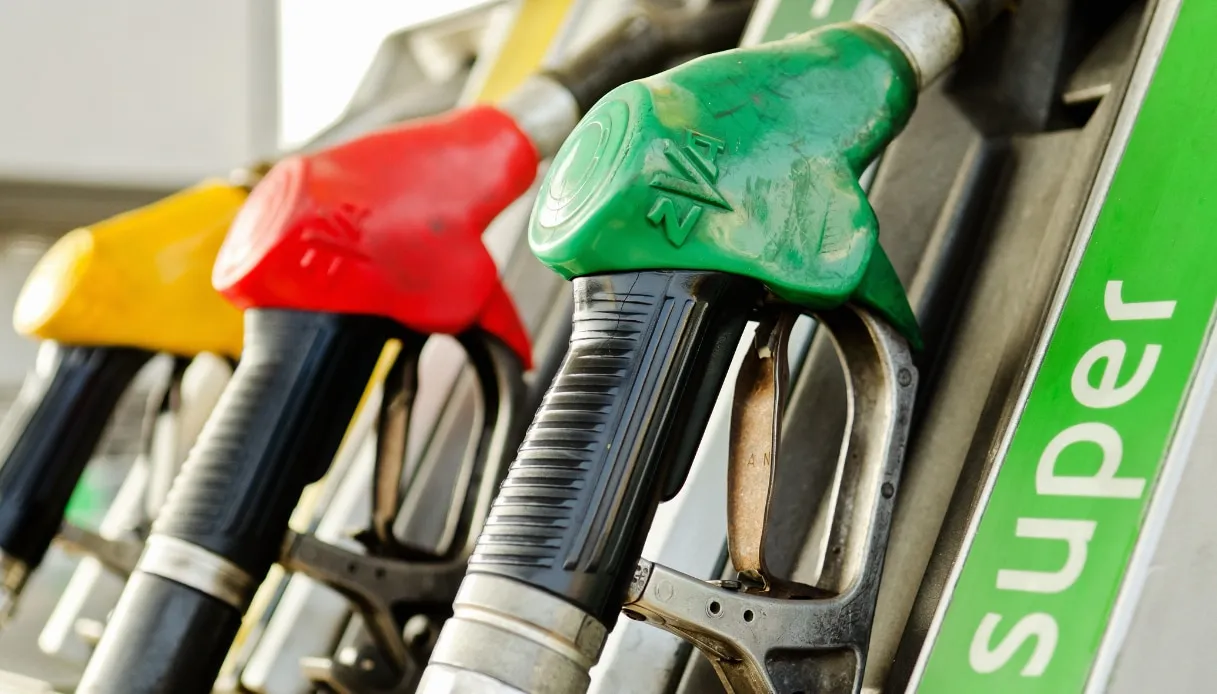
The increase is still driven by unregulated energy goods, i.e. those with non-administered prices, petrol and diesel in the first place. Petrol rises by +10.7% on May 2025, a clear acceleration from +1.1% in April, and in just one month it grows by +6.9%. Other fuels accelerate to +9.8% per year (from +3.4%). Regulated energy goods (gas and electricity) also remain in tension, going from +5.3% to +5.6%.
Transport, overall, is the spending division with the strongest boost: +5.5% per year (from +3.8%). Alone they contribute 0.844 percentage points to the growth of the general price index. Immediately after is housing, water, electricity, gas and other fuels (from +5.1% to +5.8%, contribution 0.711 pp).
Free time also changes. Recreational, cultural and personal care services accelerate from +2.6% to +3.0% per year and are the item that drives the monthly variation the most, with +1.4% on April. For those who go to restaurants or hotels, prices rise by +3.5% per year (from +2.8%), with an increase of +1.7% in just one month.
The shopping cart slows down
The shopping cart, i.e. the prices of food and home and personal care products, is going against the trend. Annual growth drops to +1.9% (from +2.3% in April), dragged down by food products and non-alcoholic drinks, which decelerate from +2.9% to +2.6%. Alcoholic beverages and tobacco also slowed down, from +2.7% to +2.4%. It is the main factor slowing inflation in May.
Opposite sign for high purchase frequency products, those that families buy most often: they rise from +4.2% to +4.4% per year.
Core inflation is also rising
Core inflation, calculated net of the most volatile prices (energy and fresh food), is also growing. It rises from +1.6% to +1.7% per year.
Net of energy only, the trend change goes from +1.9% to +2.1%. It means that the pressure on prices is no longer confined to bills and fuel: it is also transferring to the more stable component of the index, especially through services (from +2.4% to +2.8%).
Where you pay more, where less
The national inflation figure of +3.2% in May hides important territorial differences. The highest figures among the large capitals are recorded in Reggio Calabria (+4.4%), Verona (+3.7%) and Rimini, Venice and Rome, all three at +3.6%. At the other extreme, Aosta is the city with the most modest dynamics, +2.3%.
By region at the top are Calabria (+3.9%), Lazio (+3.6%) and Veneto (+3.5%).
The figure that matters for 2026
The most important reference in the future is acquired inflation: with consumer prices recorded until May, the average increase for 2026 is already equal to +2.6%, even if prices do not vary further between now and December.
On the IPCA, the harmonized index that the ECB uses for European comparisons, the definitive reading was revised downwards to +3.2% (from +3.3% in the preliminary estimate). The effect of energy prices remains on the table, which without a positive outcome of the negotiations between Iran and the USA could restart and keep the pressure on fuel and bills high in the coming months.