Multiple myeloma represents the second most frequent hematological malignancy, after non-Hodgkin’s lymphoma. And it is responsible for 1-2% of all cancer cases and 10-15% of blood cancers. It mainly affects the elderly, with an average age at diagnosis of around 70 years (only 2% of patients are under 40 years old).
In Italy every year there are estimated to be around 6-7 thousand new cases. But be careful: there are other figures that must be kept in mind. And they truly open their hearts to hope. In ten years, the life expectancy of patients with multiple myeloma has almost quadrupled, going from around 2 and a half years to over 10. Doctors, patients and families are guided by advances in medicine, transplants and innovative drugs. And so this disease, which affects plasma cells (a particular type of white blood cells present in the bone marrow, fundamental for our immune system) to the point of transforming them and making them “out of control”, is moving towards a path of chronicity which will represent the real victory for the sick. In this path, obviously the operational interconnection between diagnosis and treatment structures is fundamental.
And this is why LabNet MRD Multiple Myeloma was born, a network that will connect treatment centers and laboratories to guarantee advanced diagnoses and monitoring of the disease throughout the territory. The opportunity for the presentation of the initiative, fundamental for the healthcare world, is offered by the third GIMEMA National Meeting (Italian Group of Adult Hematological Diseases) scheduled in Rome.
A unique project
The objectives of the initiative are simple: to guarantee sophisticated diagnostic tests throughout Italy, reduce reporting times and avoid inappropriate travel for patients, with positive cost-cutting effects also for the National Health Service. This is the fifth project of the LabNet network, the service managed by the GIMEMA Foundation which connects, through a digital platform, clinical centers and specialist laboratories of the NHS.
Drawing on its experience in managing this network which is already operational for other pathologies – chronic and acute myeloid leukemia, myelodysplastic syndromes and Philadelphia-negative chronic myeloproliferative neoplasms – the GIMEMA Foundation thus extends the service to multiple myeloma. Specifically, LabNet MRD Multiple Myeloma (MM) will put Italian hematologists in contact with laboratories where the diagnosis and evaluation of minimal residual disease (MRD) is performed through highly sophisticated tests.
Why it matters
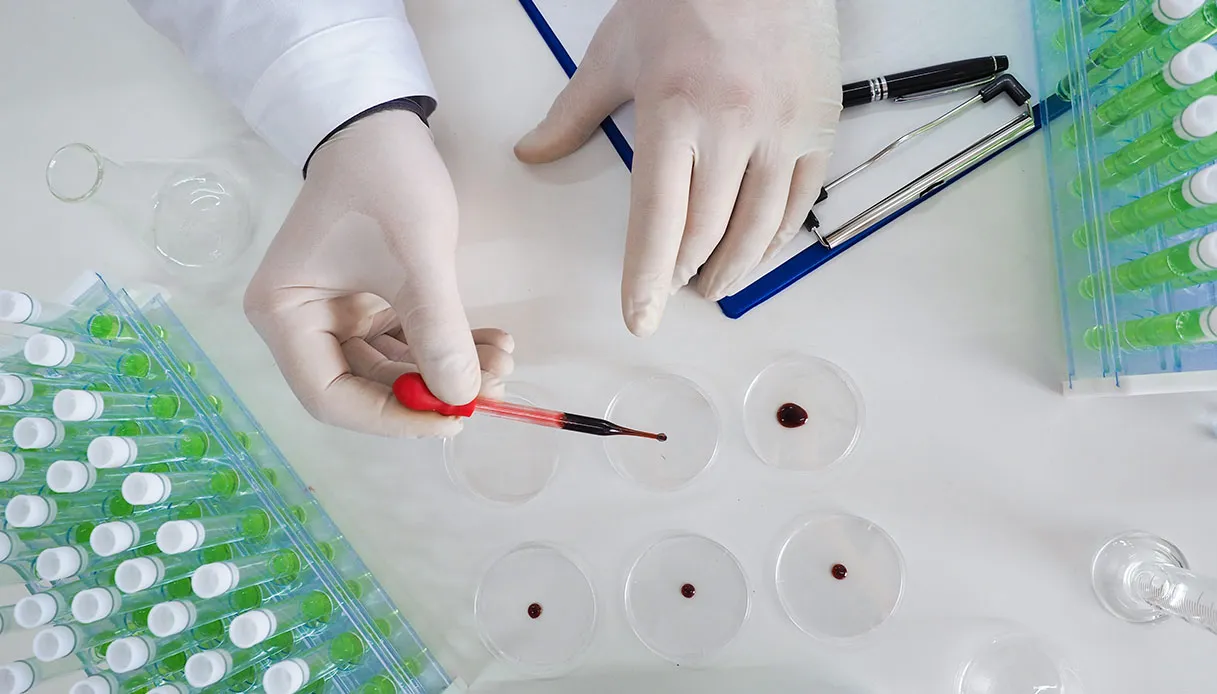
Minimal residual disease or MRD monitoring aims to evaluate the number of cancer cells that remain in the body during or after cancer therapy. And today it is a strategic priority to improve patient assessment, optimize the duration of treatment, suspend it when possible, and early identify the reappearance of the disease even in patients who do not present symptoms. Unfortunately, not all Italian hematology centers have the possibility of carrying out the laboratory investigations necessary to detect residual tumor cells early or when they are present in very small numbers.
LabNet MRD Multiple Myeloma was born from the desire to overcome these obstacles and improve the lives of patients and the treatment possibilities offered by haematologists, so as to allow all patients to have the best possible care.
The periodic monitoring of haematological diseases through analysis also translates into a net benefit for the NHS: it has been calculated that, in the three-year period 2021-23 alone, the monitoring carried out on patients with chronic myeloid leukemia produced savings of more than 6.8 million euros, thanks to the suspension of therapies.
Finally, a further possibility offered is that of participating in related research projects or any scientific publications carried out or coordinated by GIMEMA. Since the 1990s, the GIMEMA Foundation has conducted over 120 clinical studies on haematological diseases. From 2022, every two years, it organizes the National Meeting, for the update on the research activities of the nine working groups, the Working Parties, dedicated to specific topics in the field of hematology. The GIMEMA National Meeting is organized thanks to the support of AIL – Italian Association against Leukemia, Lymphoma and Myeloma, AIL Rome, AIL Bari and with the patronage of the Italian Society of Hematology (SIE), Italian Society of Experimental Hematology (SIES), Italian Group for Bone Marrow Transplantation, Hematopoietic Stem Cells and Cellular Therapy (GITMO).
What is the GIMEMA – FRANCO MANDELLI Onlus Foundation
The GIMEMA Foundation (Italian Group of Adult Hematological Diseases) has been promoting and managing non-profit clinical studies for more than 40 years with the aim of finding innovative therapies for the treatment of blood diseases. It coordinates a national network in which almost all Italian hematology centers participate (around 150) and 61 biological laboratories located throughout the country which allow the most complex molecular analyzes to be carried out. The Data Center, which is based in Rome, is the operational structure that coordinates all of the Foundation’s research activities and manages numerous international collaborations.
Thanks to the introduction of new therapies also promoted by GIMEMA studies, patients with chronic myeloid leukemia – among the most common forms of leukemia – today have a practically normal life expectancy. Among the most recent scientific successes of the Foundation is the redefinition of the standard therapy for the treatment of acute promyelocytic leukemia (APL), which has transformed one of the most lethal diseases into one that is curable in almost all cases, moreover with the elimination of chemotherapy treatment in favor of a revolutionary therapy based on ATRA and ATO. Even in Philadelphia-positive acute lymphoblastic leukemia (Ph+ ALL), GIMEMA has carried out pioneering clinical studies that have demonstrated how innovative therapeutic strategies without chemotherapy, based on the association of targeted drugs and immunotherapy, can significantly improve response to therapy and survival, while reducing toxicity and side effects for patients.